
WorksheetPremium
Peanut Field Paper Map
Use a peanut farm paper map to connect plant and mouse needs to living places, check changes, and complete a habitat model.
KindergartenScienceInteractive · Printable
Aligned toK-ESS3-1
Or unlock every Premium worksheet with Premium
What’s included
- Single worksheet
- Auto-graded online
- 1 NGSS standard
- Printable answer key
- 10 questions
- Classroom-ready
Details
- Format
- Interactive · Printable
- Grade
- Kindergarten
- Subject
- Science
- Question types
- Multiple choice, Matching, Circle the answer, Sorting, Drawing
About this worksheet
What students practice
- Students use a model to connect peanut plant and field mouse needs to places on a farm.
- Students predict how changes to model places affect the needs they can meet.
- Students add resources to a model so a plant and an animal can live near each other.
How to use
Read the passage, map key, and questions aloud. Let children point to the model notes while answering, then explain the resources in their final drawing.
Curriculum
NGSS standard covered
Use a model to show how what plants and animals need is related to where they live.
Preview
OwlSheets.com
Peanut Field Paper Map
Use a farm model to find places that meet living things' needs.

Explore the Farm Map
Listen to the farm facts. Use the paper map notes to answer.
Life Near the Peanut Field
Peanut plants use air and sunlight. Their roots take up water and hold the plants in soil. Field mice breathe air, drink water, eat foods such as seeds, and use covered places to hide. On a peanut farm, these needs help us think about where they might live. A class makes a paper map of the farm. The paper pieces stand for real things. No living plants or mice are moved.
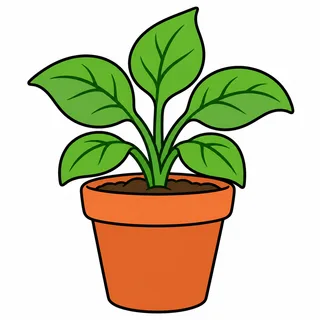 Peanut plant checklist: Air, sunlight, water, and soil for roots.
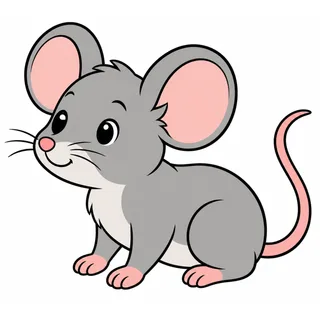 Field mouse checklist: Air, drinking water, seeds for food, and a covered hiding place.
The map has four paper squares. Each square stands for a farm place. Each has air and just the things listed.
Row: Sunlight and damp soil with water for roots. No drinking puddle, seeds, or cover.
Wall: A dark space under stones, with a drinking puddle and seeds. No soil for roots or sunlight inside.
Corner: Damp soil in sunlight beside a covered space. The covered space has seeds and a drinking puddle.
Gate: Dry, bare stones in sunlight. No soil, water, seeds, or cover.
The preview shows the first questions. Unlock the worksheet to see all of it.
Related worksheets
 Worksheet
Kindergarten
A Better Backyard Feeder Corner
Earth & Space Science · K-ESS3-1
Premium15 questions
 Worksheet
Kindergarten
Tidepool Notes at the Lighthouse
Earth & Space Science · K-ESS3-1
Premium13 questions
 Worksheet
Kindergarten
Rain at the Early-Spring Orchard
Earth & Space Science · K-ESS3-1
Premium13 questions
 Worksheet
Kindergarten
What Will Happen on Our Beach Board?
Earth & Space Science · K-ESS3-1
Premium10 questions
 Worksheet
Kindergarten
Living Places by the Snowy Sign Shop
Earth & Space Science · K-ESS3-1
Premium10 questions
 Worksheet
Kindergarten
Living Places Beside the Polo Field
Earth & Space Science · K-ESS3-1
Premium10 questions