
WorksheetPremium
Living Things at the Lake Rowing Club
Use lakeside observations to compare the needs of flower plants, wild ducks, and people at a rowing clubhouse.
KindergartenScienceInteractive · Printable
Aligned toK-LS1-1
Or unlock every Premium worksheet with Premium
What’s included
- Single worksheet
- Auto-graded online
- 1 NGSS standard
- Printable answer key
- 12 questions
- Classroom-ready
Details
- Format
- Interactive · Printable
- Grade
- Kindergarten
- Subject
- Science
- Question types
- Multiple choice, Circle the answer, Sorting, Short answer
About this worksheet
What students practice
- Students use plant observations to identify water and light as needs.
- Students identify food, water, and air as needs of animals, including people.
- Students compare needs shared by plants, ducks, and people.
How to use
Read the passages and questions aloud. Let children point to the pictures and explain which observations helped them choose their answers.
Curriculum
NGSS standard covered
Use observations to describe what plants and animals, including people, need to live.
Preview
OwlSheets.com
Living Things at the Lake Rowing Club
Use observations to find what living things need.
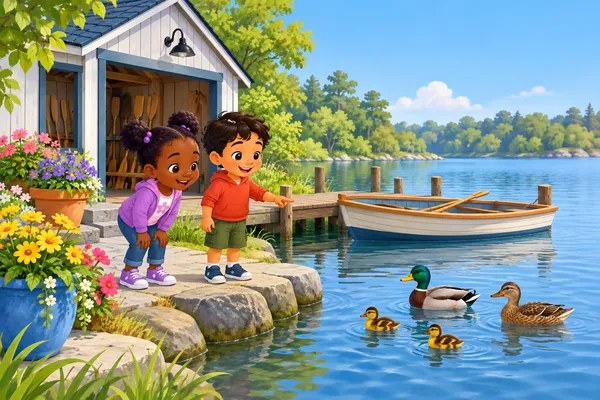
Flowers at the Clubhouse
Listen to the flower notes. Use the clues to choose your answers.
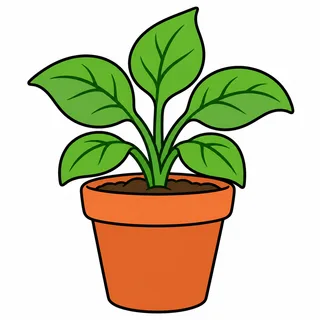
The Flower Notes
A rowing clubhouse stands beside a lake. Its flower notes describe two matching, healthy plants. Both got the same water and air. One grew in a bright spot. One grew in a dark cupboard. After several weeks, the bright-spot plant had green leaves. The cupboard plant had pale leaves. Another note tells about a plant with dry soil. Its leaves drooped. After watering, its leaves stood up again.
- A. Getting more water
- B. Getting more light
- C. Getting less air
- D. Getting less water
The preview shows the first questions. Unlock the worksheet to see all of it.
Related worksheets
 Worksheet
Kindergarten
Needs at the Mountain Weather Station
Life Science · K-LS1-1
Premium16 questions
 Worksheet
Kindergarten
Noor's Apple-Row Field Journal
Life Science · K-LS1-1
Premium14 questions
 Worksheet
Kindergarten
Clues from Two Desert Station Places
Life Science · K-LS1-1
Free10 questions
 Worksheet
Kindergarten
Life at the Rainforest Banana Grove
Life Science · K-LS1-1
Premium13 questions
 Worksheet
Kindergarten
Living Things on Our Discovery Mats
Life Science · K-LS1-1
Premium13 questions
 Worksheet
Kindergarten
Which Kitchen Cart Plan Helps?
Life Science · K-LS1-1
Premium13 questions