
WorksheetPremium
Which Kitchen Cart Plan Helps?
Compare kitchen serving-cart plans using observations of basil plants, a dog, and people to identify their needs.
KindergartenScienceInteractive · Printable
Aligned toK-LS1-1
Or unlock every Premium worksheet with Premium
What’s included
- Single worksheet
- Auto-graded online
- 1 NGSS standard
- Printable answer key
- 13 questions
- Classroom-ready
Details
- Format
- Interactive · Printable
- Grade
- Kindergarten
- Subject
- Science
- Question types
- Multiple choice, Matching, Circle the answer, Sorting, Short answer
About this worksheet
What students practice
- Students use plant observations to judge plans that provide water, light, and air.
- Students use observations to identify food, water, and air as needs of animals, including people.
- Students compare care plans using needs shared by plants, a dog, and people.
How to use
Read the care notes and questions aloud. Let children point, match, and sort before explaining which cart plans meet the living things' needs.
Curriculum
NGSS standard covered
Use observations to describe what plants and animals, including people, need to live.
Preview
OwlSheets.com
Which Kitchen Cart Plan Helps?
Use care notes to choose plans for living things.

A Place for Basil
Listen to the care notes. Choose plans that help the plants.
The Plant Shelf
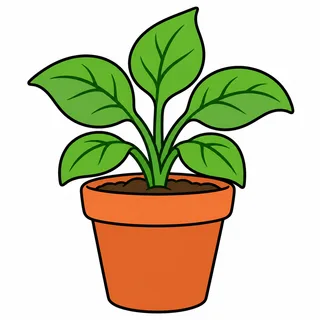
Nia's family plans a kitchen serving cart. Small basil plants will sit on top. The family reads old care notes. In bright light, pots with damp soil grew new green leaves. In dim light, pots with damp soil grew pale, weak stems. In bright light, pots with dry soil wilted. The pots and plants were alike. Room air reached the leaves. Plants also need air to live.
- A. A bright spot; soil left dry
- B. A dim spot; soil kept damp
- C. A bright spot; soil kept damp
- D. A dim spot; soil left dry
The preview shows the first questions. Unlock the worksheet to see all of it.
Related worksheets
 Worksheet
Kindergarten
Needs at the Mountain Weather Station
Life Science · K-LS1-1
Premium16 questions
 Worksheet
Kindergarten
Noor's Apple-Row Field Journal
Life Science · K-LS1-1
Premium14 questions
 Worksheet
Kindergarten
Clues from Two Desert Station Places
Life Science · K-LS1-1
Free10 questions
 Worksheet
Kindergarten
Living Things at the Lake Rowing Club
Life Science · K-LS1-1
Premium12 questions
 Worksheet
Kindergarten
Life at the Rainforest Banana Grove
Life Science · K-LS1-1
Premium13 questions
 Worksheet
Kindergarten
Living Things on Our Discovery Mats
Life Science · K-LS1-1
Premium13 questions