
WorksheetPremium
Change Predictions at the Beach Snack Cabana
Use beach snack cabana observations to predict changes in chocolate and bread and explain which changes heating or cooling can undo.
Grade 2ScienceInteractive · Printable
Aligned to2-PS1-4
Or unlock every Premium worksheet with Premium
What’s included
- Single worksheet
- Auto-graded online
- 1 NGSS standard
- Printable answer key
- 14 questions
- Classroom-ready
Details
- Format
- Interactive · Printable
- Grade
- Grade 2
- Subject
- Science
- Question types
- Fill in the blank, Multiple choice, Circle the answer, Sorting, Short answer
About this worksheet
What students practice
- Students use observations to predict changes caused by heating and cooling.
- Students explain why melting chocolate can be undone but toasting bread cannot be undone by cooling.
How to use
Read the cabana test notes together, then have students explain their predictions using the observations. This is a paper activity; no heating or food tasting is needed.
Curriculum
NGSS standard covered
Use evidence to explain that heating or cooling causes changes, some that can be undone and some that cannot.
Preview
OwlSheets.com
Change Predictions at the Beach Snack Cabana
Use test notes to predict what heating and cooling will do.
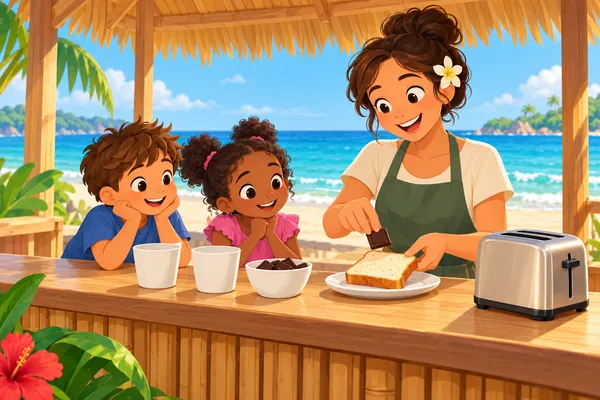
The Chocolate Test
Read the test notes. Use the observations to predict and explain.
Two Cups at the Cabana
A class visited a snack cabana beside the beach. An adult put equal amounts of the same chocolate into two matching dry cups, A and B. Both cups started at room temperature. Each held hard chocolate squares that did not flow when the adult tipped the cup.
The adult set cup A in warm water and kept cup B on the counter. Water stayed outside the cups. After eight minutes, the adult tipped both cups. The chocolate in A flowed slowly. The chocolate in B stayed hard. The class recorded how the chocolate moved.
Next, the adult put cup A in a refrigerator. Later, its chocolate was hard and did not flow when tipped. It was now one piece shaped like the bottom of the cup. Nothing had been added or removed. The adult handled the warm water, cups, and refrigerator.
- A. It will keep flowing like the warm chocolate.
- B. It will become hard like the cooled chocolate.
- C. It will become softer than the warm chocolate.
- D. It will turn into water like the warming bath.
- A. Both cups flowed after waiting for the same time.
- B. The cup on the counter held more chocolate.
- C. Water mixed into the chocolate in the warm cup.
- D. The warmed chocolate flowed; the other stayed hard.
The preview shows the first questions. Unlock the worksheet to see all of it.
Related worksheets
 Worksheet
Grade 2
The Summit Nature Center Change Demo
Physical Science · 2-PS1-4
Premium14 questions
 Worksheet
Grade 2
Nia’s Rooftop Garden Change Journal
Physical Science · 2-PS1-4
Premium15 questions
 Worksheet
Grade 2
The Mountain Station Change Test
Physical Science · 2-PS1-4
Premium14 questions
 Worksheet
Grade 2
Change Checks on the Riverboat
Physical Science · 2-PS1-4
Premium13 questions
 Worksheet
Grade 2
Change Clues at the Rainforest Guesthouse
Physical Science · 2-PS1-4
Premium13 questions
 Worksheet
Grade 2
Counting-Token Change Tests
Physical Science · 2-PS1-4
Free13 questions