
WorksheetPremium
Water Clues in the Globe Alcove
Explore museum picture buttons and field reports to locate water on Earth and compare its solid and liquid forms.
Grade 2ScienceInteractive · Printable
Aligned to2-ESS2-3
Or unlock every Premium worksheet with Premium
What’s included
- Single worksheet
- Auto-graded online
- 1 NGSS standard
- Printable answer key
- 13 questions
- Classroom-ready
Details
- Format
- Interactive · Printable
- Grade
- Grade 2
- Subject
- Science
- Question types
- Fill in the blank, Multiple choice, Matching, Circle the answer, Sorting, Short answer
About this worksheet
What students practice
- Students use observations to identify places on Earth where water is found.
- Students classify observed water as solid or liquid.
- Students support statements about water's location and form with evidence.
How to use
Read the museum reports aloud and explain that the pictures are button symbols. Have students use the written observations to support their answers.
Curriculum
NGSS standard covered
Find where water is on Earth and that it can be solid or liquid.
Preview
OwlSheets.com
Water Clues in the Globe Alcove
Use picture buttons and field reports to investigate water on Earth.

1. Open the Picture Reports
Read the reports. The pictures are button symbols, not photographs of the observations. Use the words to answer.
Five Buttons, Five Places
In the science museum's Globe Alcove, visitors press picture buttons to open reports about water. Each report describes a real place on Earth. Visitors cannot touch the water in these places, so they study the observations carefully.
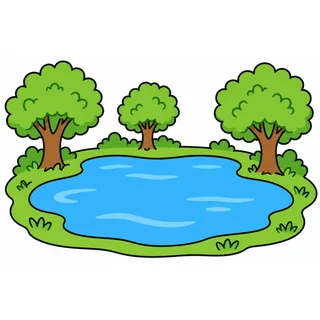 Lake button: At a lake, thin pieces of ice float beside the shore. Water splashes against the ice. Farther out, small waves move across the open water.
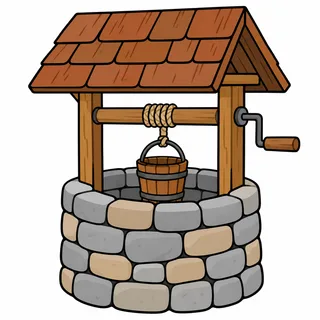 Well button: The ground around a well looks dry. An adult lowers a bucket below the ground into water. When lifted, the bucket holds water that pours into a tub.
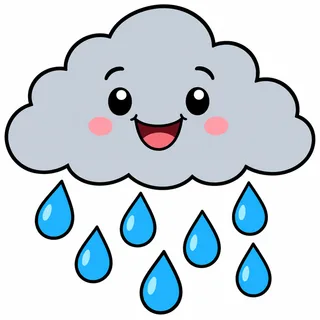 Rain button: Over a grassy plain, water drops fall through the air. Drops splash when they reach the ground.
 Snowman button: In a town square, a snowman stands on snowy ground. Its body is packed snow. No puddle is visible beside it.
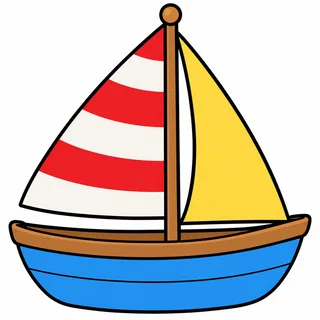 Boat button: A boat travels on the ocean. Waves splash against its sides. Water flows around the boat.
Ice and snow are solid water. Liquid water can pour, flow, and splash.
| Solid water | Liquid water |
|---|---|
- A. It has solid water across its whole surface.
- B. It has liquid water but no solid water.
- C. It has solid water beside liquid water.
- D. It has snow covering dry ground.
The preview shows the first questions. Unlock the worksheet to see all of it.
Related worksheets
 Worksheet
Grade 2
The Tree Nursery Water Journal
Earth & Space Science · 2-ESS2-3
Premium14 questions
 Worksheet
Grade 2
The Reading Garden Pond Map
Earth & Space Science · 2-ESS2-3
Premium15 questions
 Worksheet
Grade 2
Water Signs for the Backyard Feeder
Earth & Space Science · 2-ESS2-3
Premium14 questions
 Worksheet
Grade 2
Water Predictions at the Dog-Walking Gate
Earth & Space Science · 2-ESS2-3
Premium13 questions
 Worksheet
Grade 2
An Oasis Team's Water Notebook
Earth & Space Science · 2-ESS2-3
Premium13 questions
 Worksheet
Grade 2
Water Reports at the Corner Newsstand
Earth & Space Science · 2-ESS2-3
Premium13 questions