
WorksheetPremium
Small Choices at the Playground Zip Line
Use playground observations to choose ways to protect plants, keep litter out of water, and reduce dirty air.
KindergartenScienceInteractive · Printable
Aligned toK-ESS3-3
Or unlock every Premium worksheet with Premium
What’s included
- Single worksheet
- Auto-graded online
- 1 NGSS standard
- Printable answer key
- 9 questions
- Classroom-ready
Details
- Format
- Interactive · Printable
- Grade
- Kindergarten
- Subject
- Science
- Question types
- Multiple choice, Circle the answer, Sorting, Drawing
About this worksheet
What students practice
- Students use observations to choose actions that lessen harm to land, water, air, and living things.
- Students share a playground care plan and explain how it helps the environment.
How to use
Read the passage and questions aloud. Let children point to choices and explain their thinking. Record each child's explanation beside the final drawing.
Curriculum
NGSS standard covered
Share ways people can lessen their effect on land, water, air and other living things.
Preview
OwlSheets.com
Small Choices at the Playground Zip Line
Use playground clues to plan ways to care for Earth.
Look for Clues
Listen to the passage. Choose one answer for each question.
Beside the Waiting Path
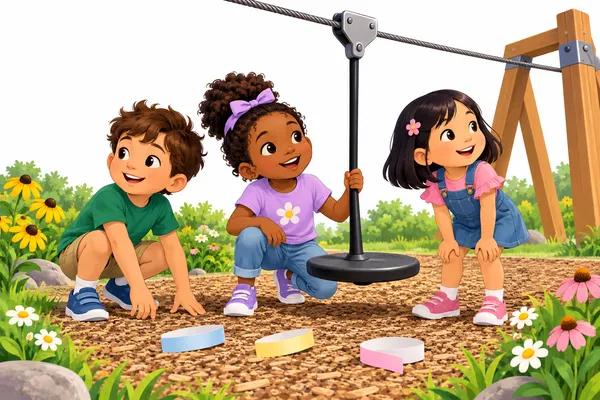
At the playground zip line, Zuri sees paper wristbands on the ground. Wind pushes one toward a drain that leads to a stream. Plants beside the waiting path have bent stems where feet stepped. A bee gets food from flowers.
A helper's gas leaf blower gives off exhaust that can dirty the air. A rake moves leaves by hand. The bin has a lid. When the lid is shut, wind cannot blow wristbands out.
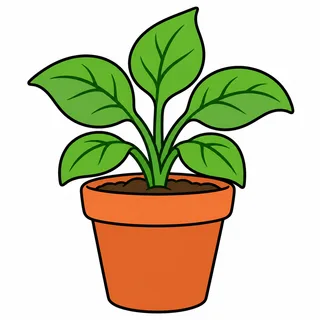 Where should children wait to keep more plant stems from bending?
- A. In the plants beside the path.
- B. On the path beside the plants.
- C. On the flowers near the bee.
- D. In a new line across the plants.
- A. They could help water the flowers.
- B. They could give food to the bee.
- C. They could help clean the water.
- D. They could become litter in the stream.
The preview shows the first questions. Unlock the worksheet to see all of it.
Related worksheets
 Worksheet
Kindergarten
Night Tour Care Crew
Earth & Space Science · K-ESS3-3
Premium15 questions
 Worksheet
Kindergarten
The Coral Room Care Chain
Earth & Space Science · K-ESS3-3
Premium15 questions
 Worksheet
Kindergarten
Ari's Care Notes at the Planetarium
Earth & Space Science · K-ESS3-3
Premium10 questions
 Worksheet
Kindergarten
Care at the School Garden Plant Swap
Earth & Space Science · K-ESS3-3
Free9 questions
 Worksheet
Kindergarten
Better Plans at the Rainforest Bridge
Earth & Space Science · K-ESS3-3
Premium9 questions
 Worksheet
Kindergarten
Care Plans at the Lake Fishing Pier
Earth & Space Science · K-ESS3-3
Premium9 questions